Mortgage services · 11
Moving up to your next home
The second move is a timing problem: selling, buying, and moving your equity so two closings land as one move. And if the new house needs work, the renovation can ride inside the same mortgage.
The hard part
Sequencing two closings — not qualifying again.
Your equity
A bridge loan can unlock it before your sale closes.
Renovations
Purchase-plus-improvements folds the budget into one mortgage.
Tool one
Bridge financing, in plain words
Most move-up buyers' down payment is locked inside the home they haven't sold yet. A bridge loan unlocks it: the lender advances the equity from your sold-but-not-yet-closed home, so you can close on the new one first.
- It needs a firm, unconditional sale agreement on your current home.
- It usually runs from a few days to a few weeks.
- You pay interest only for the days you actually use it — bridging $300,000 for two weeks typically costs hundreds of dollars, not thousands.
Used correctly, a bridge turns a white-knuckle month into an unremarkable one: close the purchase, move once, hand over the old keys, and the bridge repays itself from the sale money.
What this means for you
A sale that closes Thursday and a purchase that closes Monday is a plan. The reverse order is a bridge loan. Both are fine — but only one should be a surprise. Arrange the bridge before you sign mismatched dates, not after.

Tool two
Porting: your old rate might be worth keeping
Porting means moving your current mortgage — its rate and remaining term — to the new house. If you need more money, the lender blends new funds at today's rates with your old rate.
- Worth real money when your existing rate is below today's market.
- Not all mortgages are portable, and the windows are short — often 30 to 120 days between closings.
- Banks rarely volunteer this. We check it before you list your home, not after.
A new purchase also means qualifying again, stress test included — even if you've paid a mortgage perfectly for years. That's a reason to pre-approve early, not a reason to worry. Buying newly built? The 30-year insured amortization is available to new-construction buyers as well as first-time buyers, which can meaningfully change the monthly payment on the new mortgage — worth checking at the same strategy call. See the Pre-Construction page if a new build is on your list.
-
Before you list: the strategy call
We check if your mortgage is portable, what your equity really is, and what the new budget looks like.
-
Pre-approval for the new home
Rate held up to 120 days. Your offers stand on real financing.
-
Sell firm, then line up the dates
Ideal: sale closes a few days before the purchase. If the dates cross, the bridge is arranged in advance.
-
Close, move once, done
The bridge (if any) repays itself from the sale. One move, no gap, no double mortgage.
Tool three
Buying a place that needs work? Fold the renovation in.
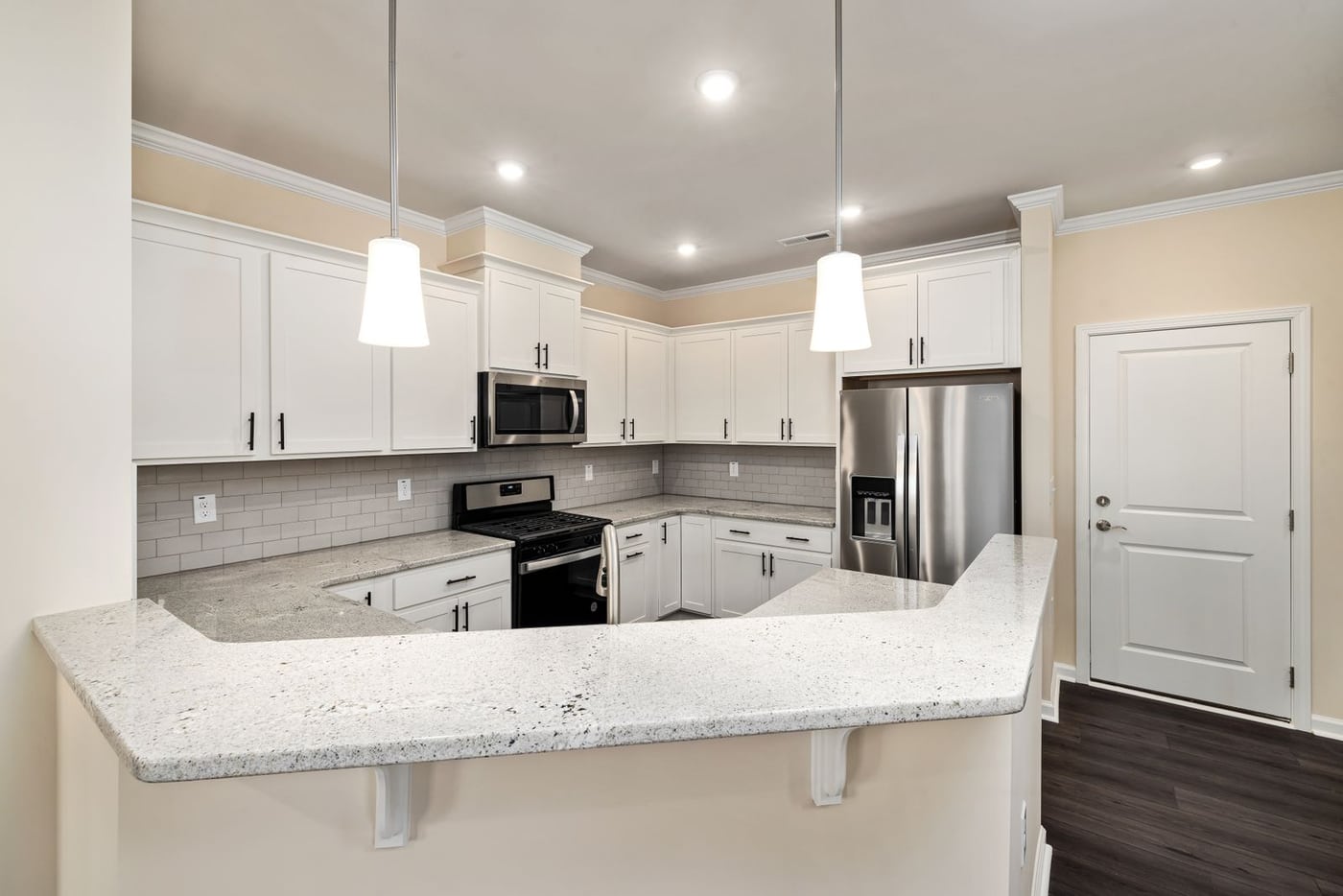
A purchase-plus-improvements mortgage adds the renovation budget to the mortgage itself: one approval, one closing, one monthly payment at mortgage rates — instead of a credit card and a prayer after you move in.
How it works:
- You get written quotes from licensed contractors before final approval. Verbal estimates don't qualify.
- The lender approves the mortgage on the as-improved value: price plus renovation budget — typically up to 10–20% of the price, limits varying by lender.
- At closing, the renovation money sits with your lawyer in trust (held safely until conditions are met).
- The work gets done, an inspection confirms it matches the quotes, and the funds are released.
Example
Purchase price $700,000 + quoted renovations $60,000 = $760,000 financed. Minimum down payment on the combined amount: about $51,000.
The same $60,000 on a personal loan at 9–12% would cost hundreds more per month — and compete with your mortgage qualification instead of living inside it.
The big decision
Sell first, or buy first?
Every move-up buyer faces this question. There is no universal right answer — it depends on your risk comfort and the market.
- Sell first. You know exactly how much money you have, and you have no risk of owning two homes. The trade-off: you may need somewhere to stay if you have not found the next place.
- Buy first. You get the home you want without rushing. The trade-off: if your current home takes longer to sell than expected, you carry both mortgages.
In practice, most of my clients sell firm first and then buy, using a bridge loan to cover a short gap between the two closing dates. It keeps the risk low and the move to a single day.
What this means for you
Talk to me before you list. Once you know what you qualify for and what your equity really is, this decision usually answers itself.
The expensive version of this question is the one asked after the dates are already signed.
Common questions
Questions people ask
Short answers in plain English. Your situation may be different — ask me anything on a free call.
Can I port my existing mortgage to the new house?
Often, yes — porting moves your current rate and remaining term to the new property, and new money is blended at current rates. It's worth checking before you list, because the porting windows between closings are short — often 30 to 120 days.
What does a bridge loan cost?
Interest at roughly prime-plus on the bridged amount for the days you use it, plus a modest setup fee depending on the lender. Bridging $300,000 for two weeks typically lands in the hundreds of dollars — cheap insurance against a double move.
Who pays for the renovation before the funds are released?
You do, or your contractor does by invoicing on completion — the mortgage funds sit in trust until an inspection confirms the work. Most clients bridge the gap with a deposit schedule negotiated with the contractor, or a line of credit repaid at release. We plan this before you firm up.
What if the renovation goes over budget?
The mortgage covers the quoted scope; overruns are yours. Build a contingency into the quotes where the lender allows it, and resist mid-project additions — work outside the approved quotes doesn't get funded after the fact.
Is my down payment treated differently the second time?
The source changes — sale proceeds instead of savings — so lenders want the paper trail: the firm sale agreement, the mortgage payout statement, and the math that reaches your down payment. Gifts and savings can still top it up, same rules as before.
Two closings, one calendar, zero gaps
That's the standard your move is held to. Call before you list — the sequence is decided at the start, not at the end.